
01
Peptide Biology
Research into molecular signaling, receptor interactions and the biological roles of short amino-acid sequences.
HealthEncounters.org is a research-oriented platform focused on peptide science, molecular systems, analytical thinking and emerging developments across modern biotechnology.
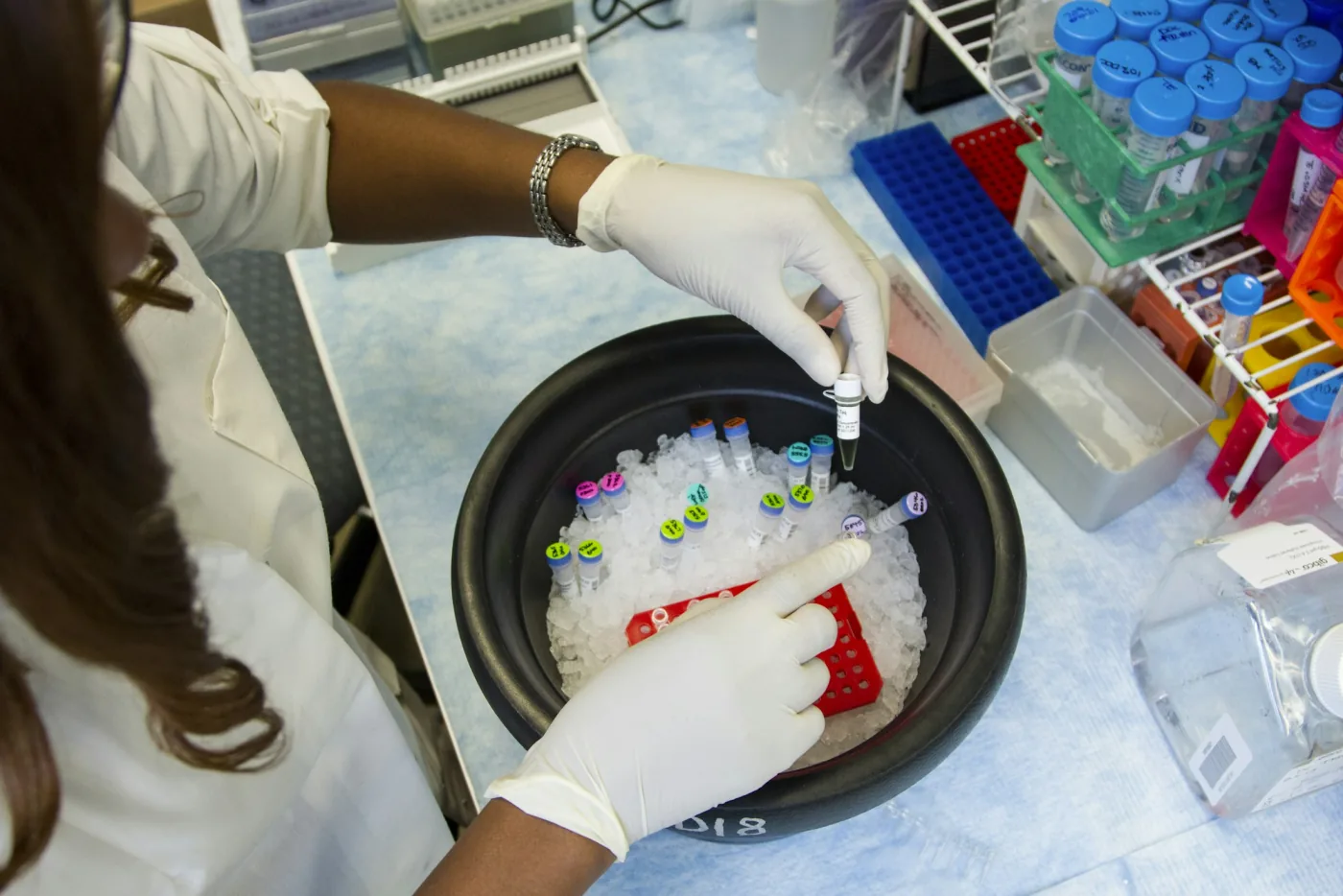
Modern peptide science brings together molecular design, characterization, stability, biological interactions and increasingly sophisticated analytical methods. Understanding these connections is essential for interpreting how peptide systems behave in research.
Research into molecular signaling, receptor interactions and the biological roles of short amino-acid sequences.
Exploring how sequence, formulation, environment and molecular structure influence peptide properties and stability.
A research perspective on identity, purity, separation techniques and the analytical interpretation of peptide materials.
Tracking new research directions, novel peptide architectures and developments across metabolic and molecular science.

Peptides occupy a distinctive space between small molecules and larger biological macromolecules. Their amino-acid sequences can encode highly specific structural and biological properties while remaining compact enough to study through a broad range of biochemical and analytical approaches.
Research therefore extends far beyond the peptide sequence itself. Identity, purity, handling, stability, molecular interactions and analytical context all influence how experimental observations should be interpreted.
Peptide properties begin with amino-acid sequence, but their behaviour is also influenced by conformation, charge, hydrophobicity and interactions with the surrounding environment.
Peptide synthesis is followed by purification and characterization. Research quality depends on knowing what material is present and on interpreting analytical information within the limits of the method used.
Temperature, moisture, oxidation, pH and repeated handling can all matter in peptide research. Storage and experimental preparation therefore form part of the broader scientific context.
Peptides are widely studied as signaling molecules, ligands and molecular tools. Experimental findings require careful separation of biochemical observation from clinical interpretation.
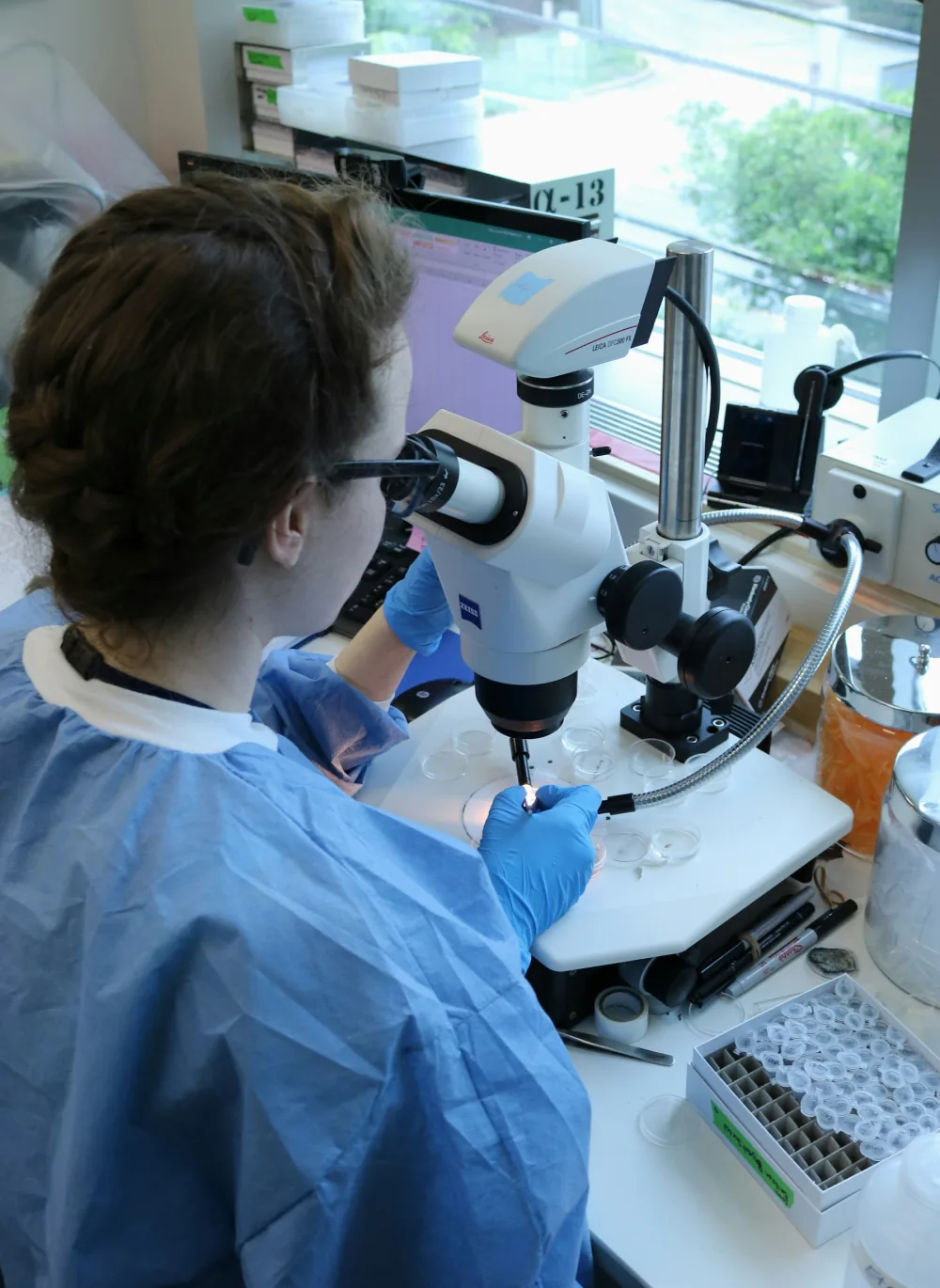
Peptide characterization commonly draws on complementary analytical methods. Each technique answers a different question, and no single measurement provides the entire scientific picture.
HealthEncounters.org follows developments across peptide chemistry, molecular biology and analytical science with an emphasis on understanding mechanisms, methods and research context.
Sequence alone does not tell the whole story. Molecular environment, conformation and chemical modifications can alter the properties researchers observe.
Analytical results are most useful when the measurement method, sample context and limitations of the technique are considered together.
New molecular architectures and research strategies continue to expand the ways peptide systems can be investigated across biology and biotechnology.
Continue to the HealthEncounters research shop to view the currently available product catalogue and product information.